

Is the Comic Book Market Being Manipulated? Why New Releases Are Skyrocketing in 2026

If you’ve been anywhere near a comic shop, Whatnot stream, or eBay sold listings in the last few weeks, you’ve probably noticed the same thing: new comic book releases are no longer waiting months, or even weeks, to spike on the aftermarket.
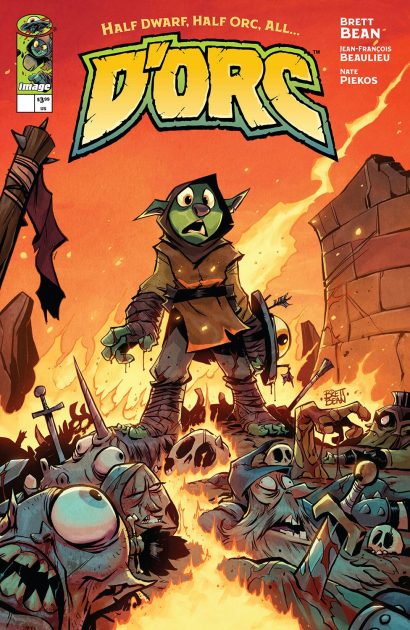
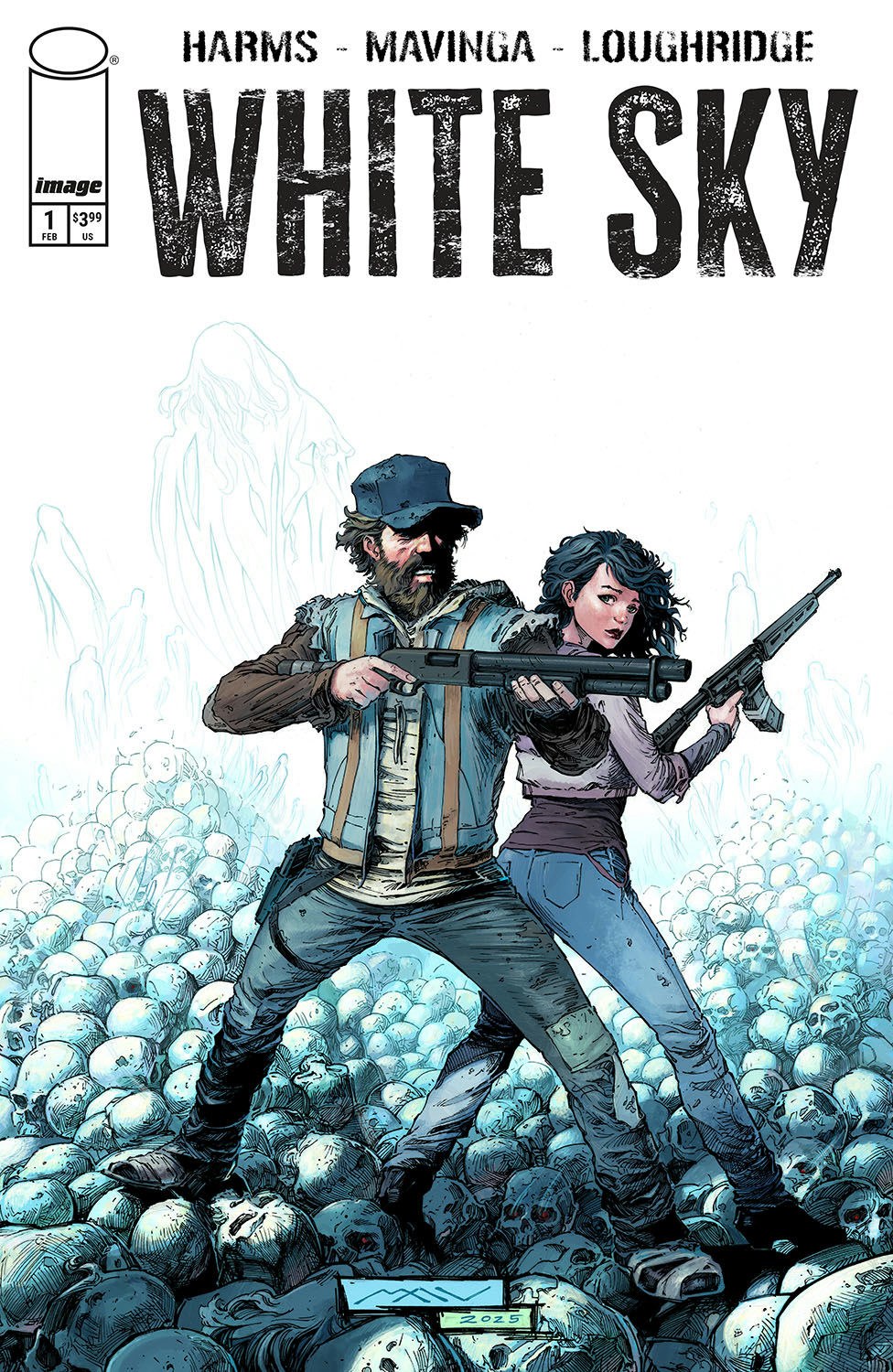
Books like D’Orc #1 and White Sky #1 from Image Comics were trading at four to ten times cover price within days of release. At the same time, DC’s Absolute Batman, a title with a reported first print run in the hundreds of thousands is already seeing strong collector interest across curated modern back-issue selections such as our Absolute Batman inventory is seeing limited retailer exclusive variants from stores like Felix Comic Art or ECC sell out in minutes and immediately reappear online at two or three times retail.
So the same question keeps coming up in collector groups:
is the comic book market being manipulated by flippers or are distributor sell-outs, limited print runs and retailer-exclusive drops creating a new kind of speculation cycle in modern comics?
The Return of the Indie Speculation Cycle
Take D’Orc #1. On release week alone, standard Cover A copies were already moving around the $40 range, with some early aftermarket sales pushing toward $100 or more. Incentive variants, especially the 1:25, reportedly landed in the $400 to $500 range almost immediately, alongside preview ashcans trading at similar levels.
White Sky #1 followed almost beat for beat:
raw first-print copies appearing in the $40–$55 band day one,
ratio variants pushing beyond $200, and Image confirming that the issue had sold out at distributor level before it even reached shelves.
A second printing was announced almost immediately for March.
Temporary Scarcity vs True Rarity
In many of these cases, scarcity isn’t tied to tiny publisher print runs.
It’s tied to timing.
When a book sells out at Lunar before release, retailers can’t reorder once reader buzz begins to spread during release week. For a brief window — sometimes no more than ten days — a book with a perfectly healthy print run behaves like a low-print key issue.
That temporary supply gap is enough to trigger aggressive listings, rapid price discovery based on a handful of early sales, and early CGC submissions with ambitious 9.8 pre-sales.
With D’Orc, the twist came later.
The second printing alone reportedly came in at nearly 25,000 orders ,one of Image’s biggest second prints in years. That strongly suggests a first print closer to a modern indie hit than a micro-print underground sleeper, even though the aftermarket initially treated it as the latter. This isn’t long-term rarity.
It’s a distribution lag between demand, retailer orders, and reprints.
Collector Sentiment and the Rise of Week-One Hype
Spend a few minutes on ComicBookSpeculation or similar communities and you’ll see the hobby splitting into two camps.
Some collectors openly question whether books like D’Orc #1 justify $80,$100 raw sales, pointing out that early buzz came from short influencer clips rather than detailed reviews. Others push back just as strongly, arguing that retailer under-ordering created real scarcity and that week-one heat is exactly what you’d expect from a breakout indie fantasy property.
Discussions around White Sky #1 look almost identical, with users asking whether day-one $40 listings represent genuine demand or simply an attempt to recreate the previous month’s winner.
Across both conversations, a rough consensus is starting to emerge: demand is real,
supply is temporarily constrained, but long-term value is still an open question.
Absolute Batman and the Paradox of Mass Print Runs
And then there’s Absolute Batman.
Unlike D’Orc or White Sky, the Absolute line is not supply-constrained at all. Absolute Batman #1 reportedly launched with a print run in the neighborhood of 250,000 copies and has already moved into multiple reprints.
By traditional collecting standards, that’s the opposite of rare.
And yet, limited retailer exclusives tied to the series, particularly Felix Comic Art or Björn Barends, Allan Qhah variants, are selling out within minutes of release.
Retailer Exclusives and Engineered Scarcity
Many of these shop variants are:
Limited to roughly 800 to 1000 copies, restricted to one per customer, sold via timed online drops, and never reprinted.
Retailers now openly implement bot protection, checkout queues or CAPTCHA limits for comic variant releases, mechanics borrowed directly from sneaker or streetwear drops.
That’s not publisher scarcity, that’s engineered scarcity.
In this model, the core series can have hundreds of thousands of copies in circulation while a specific artist-driven retailer exclusive behaves like a micro-print collectible. It helps explain why an Absolute Batman variant can spike on release even as the standard issue continues into double-digit printings,Even standard first-print issues like Absolute Batman #1 First Print are increasingly tracked by collectors looking to anticipate which modern launches may transition from short-term hype into longer-term keys.
Scarcity is no longer tied purely to First appearance, publisher print run, or storyline impact.
It’s tied to artist, retailer, and drop mechanics.
Most Expensive New Comic Book Releases of 2026

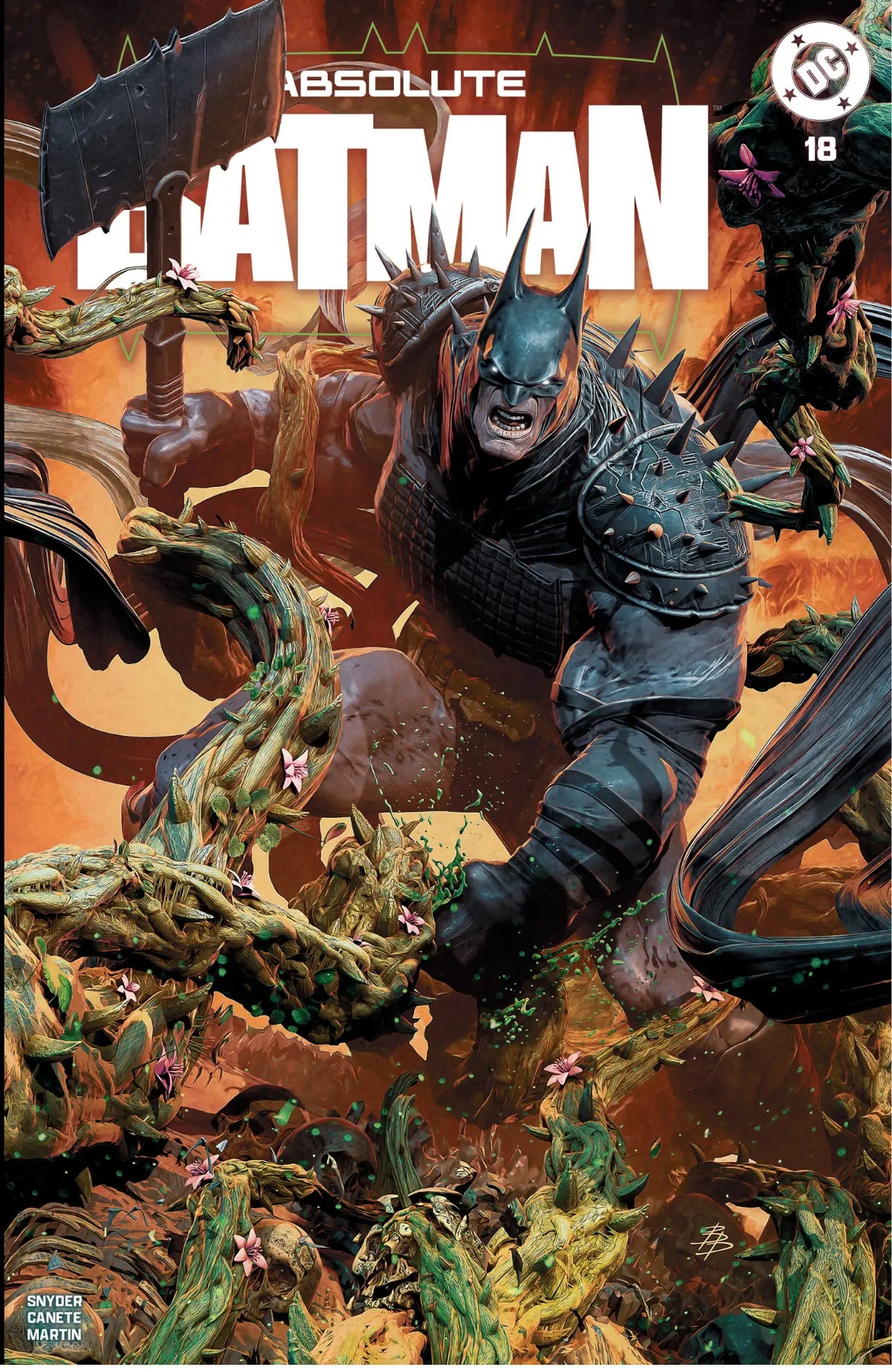


Recent aftermarket listings for Absolute Batman retailer exclusives show triple-digit pricing within days of release , despite the underlying title continuing into double-digit reprints.
This supports what many collectors are now debating: that modern comic book speculation is increasingly tied to isolated scarcity at the retailer variant level, rather than publisher print runs alone.
From Comic Variants to Mondo Drops

Long before retailer-exclusive comic variants became a weekly drop phenomenon, the art print world went through something remarkably similar with Mondo posters ,particularly those illustrated by Olly Moss.
At the height of the Mondo boom in the early 2010s, limited screen prints , often 200 to 400 copies, were released at fixed drop times, sold out within minutes, and appeared on secondary markets at three to five times their original retail price.
Buyers didn’t always purchase them because they loved the artwork.
They bought them because scarcity plus hype equaled velocity.
Some of those Olly Moss posters held strong long-term value.
Others corrected sharply once the hype cycle cooled.
The difference wasn’t scarcity, they were all scarce!
The difference was whether collector interest remained once the drop adrenaline faded.
When Drop Culture Meets Collecting
Sneakers did it.
Streetwear did it.
Mondo posters did it.
Now comics are doing it.
The modern speculation cycle is no longer purely about first appearances, low publisher print runs or historic keys.
It’s about drop timing, engineered scarcity, and immediate visibility.
That doesn’t mean the market is fake.
It means the mechanics have evolved.
D’Orc #1, White Sky #1 and Absolute Batman retailer exclusives show how quickly modern collector sentiment can turn either a temporary distributor bottleneck or a deliberately capped shop variant into an aftermarket surge, sometimes within hours of release.
But the real question isn’t whether a book spikes. It’s what happens next.
Will these limited variants follow the path of culturally relevant collectibles that hold long-term demand?
Will they behave more like past indie launches, cooling once reprints arrive and the next “hot” drop takes their place?
Are we witnessing the emergence of a new generation of modern keys built around engineered scarcity or simply a faster, more visible speculation cycle repeating familiar patterns?
In 2026, the challenge for collectors may no longer be spotting the next week-one winner but recognizing which books are being sustained by genuine collector interest… and which were carried, at least for a moment, by the drop itself.
Because in a market increasingly shaped by timing, visibility and engineered scarcity, the real test may not be what spikes on release but what still commands attention once the next drop has already begun.